November 21, 2026Collecting young artists
Starting an Art Collection on a Small Budget: A Guide
A practical, warm guide for first-time collectors in Miami and beyond — how to begin an original art collection thoughtfully, without overspending.
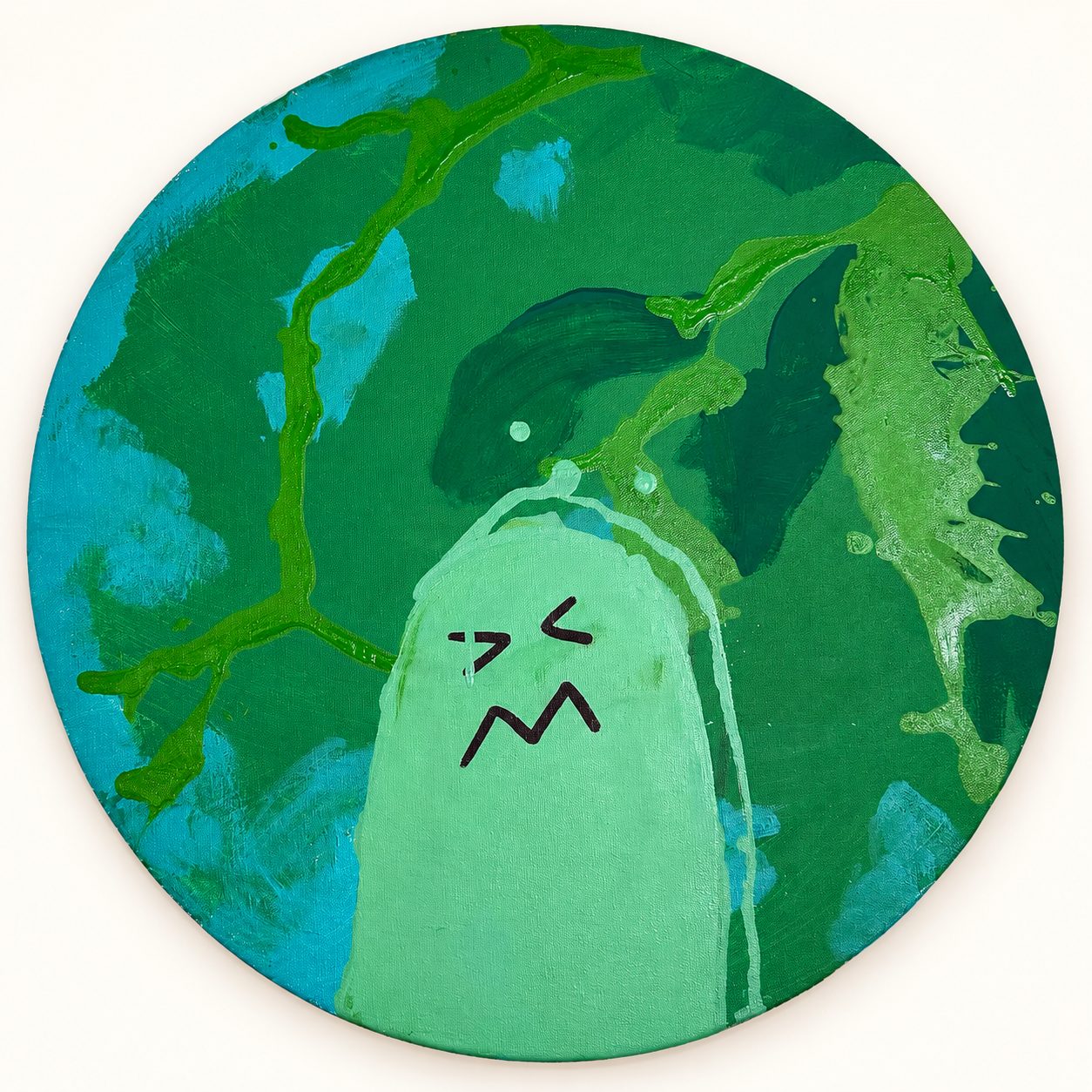
There is a quiet myth in the art world that collecting is reserved for people with endless budgets and inherited walls. It isn't. The most interesting private collections almost always begin the same way: one person, one modest sum, and one work that refuses to leave their mind. If you are standing at the edge of that first purchase, this is a guide to stepping in with care rather than caution.
How much do you actually need to start?
There is no universal number. What matters is choosing a figure you can genuinely live with — rent paid, savings intact, no regret in the morning. A sensible first step, recommended across most beginner guides, is to set a total budget before you start looking, and to include costs beyond the artwork itself: framing, shipping, installation, and in some cases insurance. A beautiful painting bought at the ceiling of your budget can become a quiet source of stress once the framer's quote arrives.
Smaller works by an artist you admire will almost always cost less than their larger pieces, and limited-edition prints can be a lower-cost entry point into an artist's world. If you are considering a print, ask for the edition number (for example, 12/50) and confirm it is signed — a true limited edition is numbered, finite, and documented, whereas an open reproduction is not.
Where to look — especially in Miami
Miami is unusually generous to new collectors. Beyond the headline fairs of Art Week, the City of Miami Beach publishes a fairs-and-partners page each season that is worth bookmarking before you plan your weekend. But do not stop there. Museums teach your eye for free. Contemporary galleries welcome quiet, unhurried visits. Fundraising auctions, craft fairs, and graduating-student exhibitions at local art schools are among the most reliable places to find original work at accessible prices — and to meet artists early in their path.
Online, direct-from-artist platforms and independent studios (ours included) have widened the door. Buying from an artist directly is not only acceptable, it is often the most rewarding way to begin: you learn the story behind the work, and your purchase supports the practice itself.
Buy what you love — not what you hope will appreciate
Every seasoned collector eventually offers the same advice: choose work you want to live with. Resale value is unpredictable even for professionals; the pleasure of a painting that greets you every morning is not. Walk the room. Notice which images you keep returning to in your mind a week later. That recurrence is data.
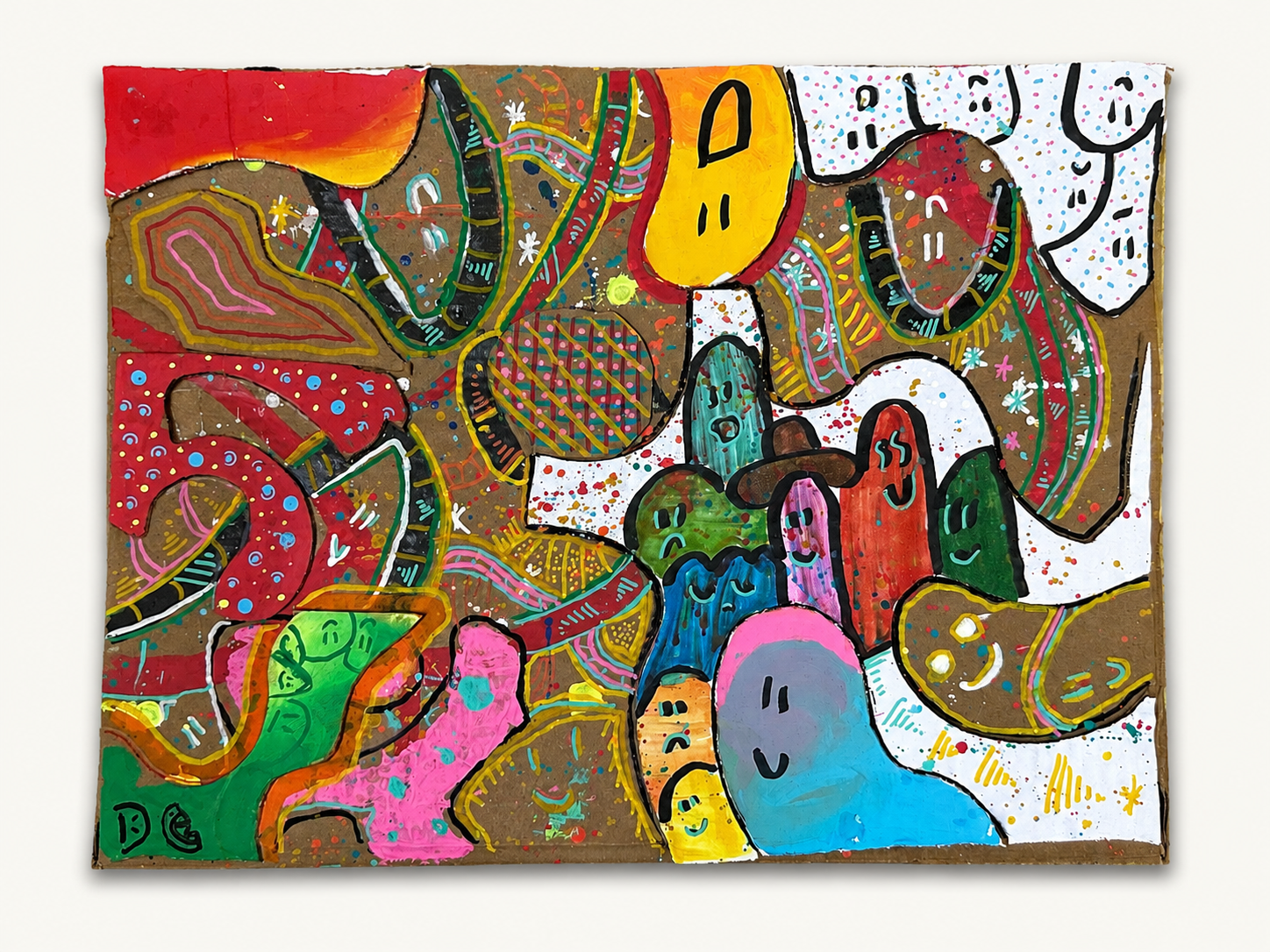
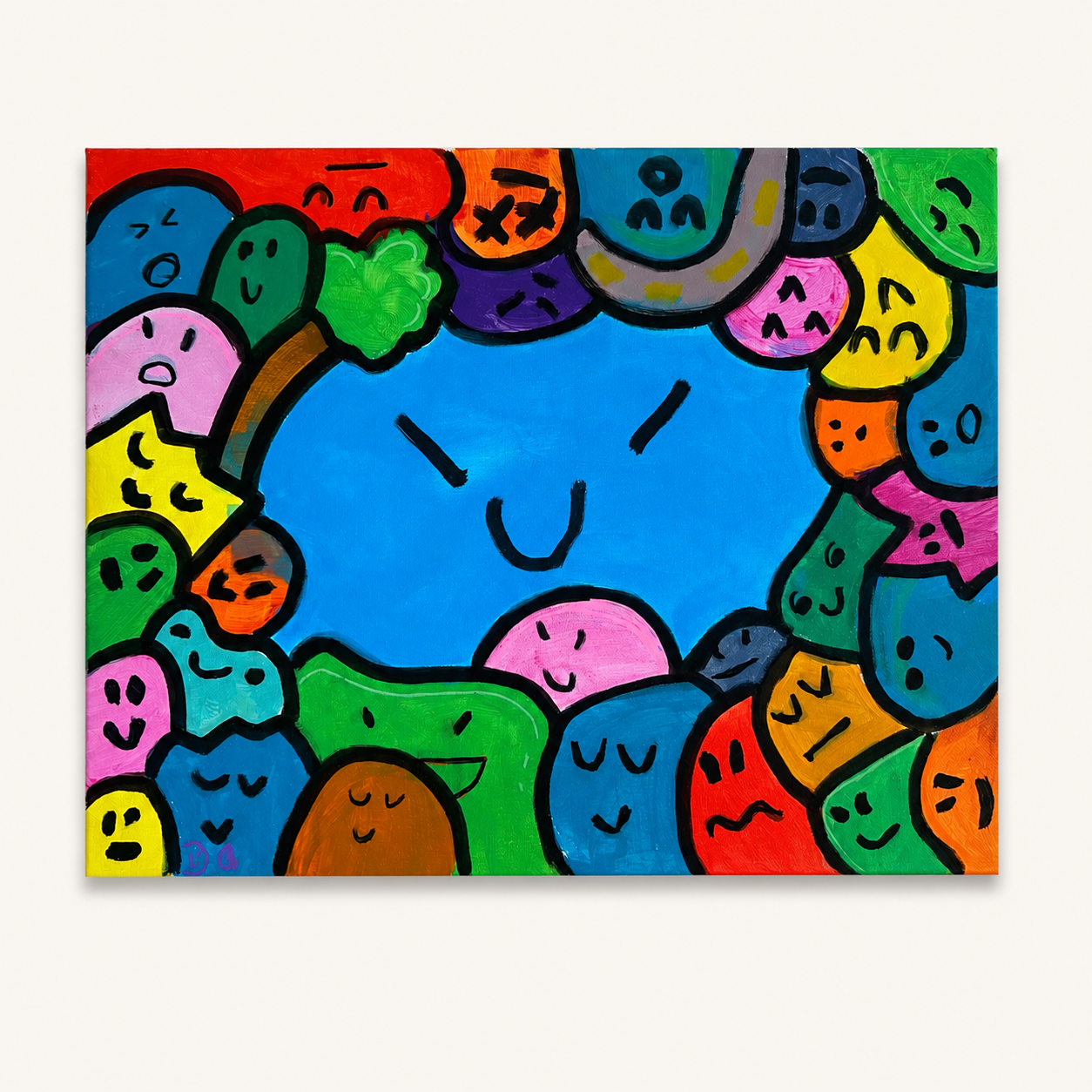
If you are drawn to layered, character-driven contemporary work, pieces like Cardboard Cosmos or Centre of Calm are examples of smaller-scale works that behave generously in a home — quiet enough to live beside, strange enough to keep rewarding attention.
What your receipt and records should include
When you buy directly from an artist, ask for an invoice that lists, at minimum: the artist's name, the work's title, the date, the medium, the dimensions, and the purchase price. A certificate of authenticity may also be available, and is worth requesting. From the moment the work arrives, begin a simple record — a spreadsheet is enough. For each piece, keep:
- Title, artist, year, medium, and dimensions
- A photograph of the work
- Purchase date, price, and seller
- Provenance and any condition notes
- Scans of the invoice and certificate
This is not bureaucracy. It is the backbone of a real collection — the thing that distinguishes a wall of art from an archive of it. Years from now, this record will matter: for insurance, for conservation, and, should you ever lend or resell, for trust.
Begin slowly, then trust yourself
A collection is not assembled in a weekend. It accrues — one honest decision at a time. Set the budget. See widely. Choose what moves you. Keep the paperwork. The rest is simply time.
If you'd like to explore available originals and editions, the GUZZI ART gallery is open to browse at your pace — and the Inner Circle is where new works, studio notes, and early-access pieces reach collectors first.
GUZZI ART Studio · edited by David Nistal · the Studio
Sources
- 01A Beginner’s Guide to Collecting Art · ellecanada.com · Oct 9, 2026
- 02How to Start an Art Collection: A Step-by-Step Guide · artlogic.net · Oct 1, 2026
- 03Building a Private Art Collection: How to Organize, Protect, and Share It with Confidence · artlogic.net · Oct 6, 2026
- 04Part 07: A Guide To Buying Art Directly From Artists · artstoheartsproject.com · Oct 7, 2026
- 05Art week Fairs and Partners · miamibeachfl.gov · Oct 8, 2026
Share this story
The Journal by letter
One letter per new piece
The title, the Room it lives in, the first lines — about once a week, nothing else. Leave with one click, any time.
Own a piece of the universe
Explore the original collectible works, or join the Inner Circle for a first look at new pieces before they're released.